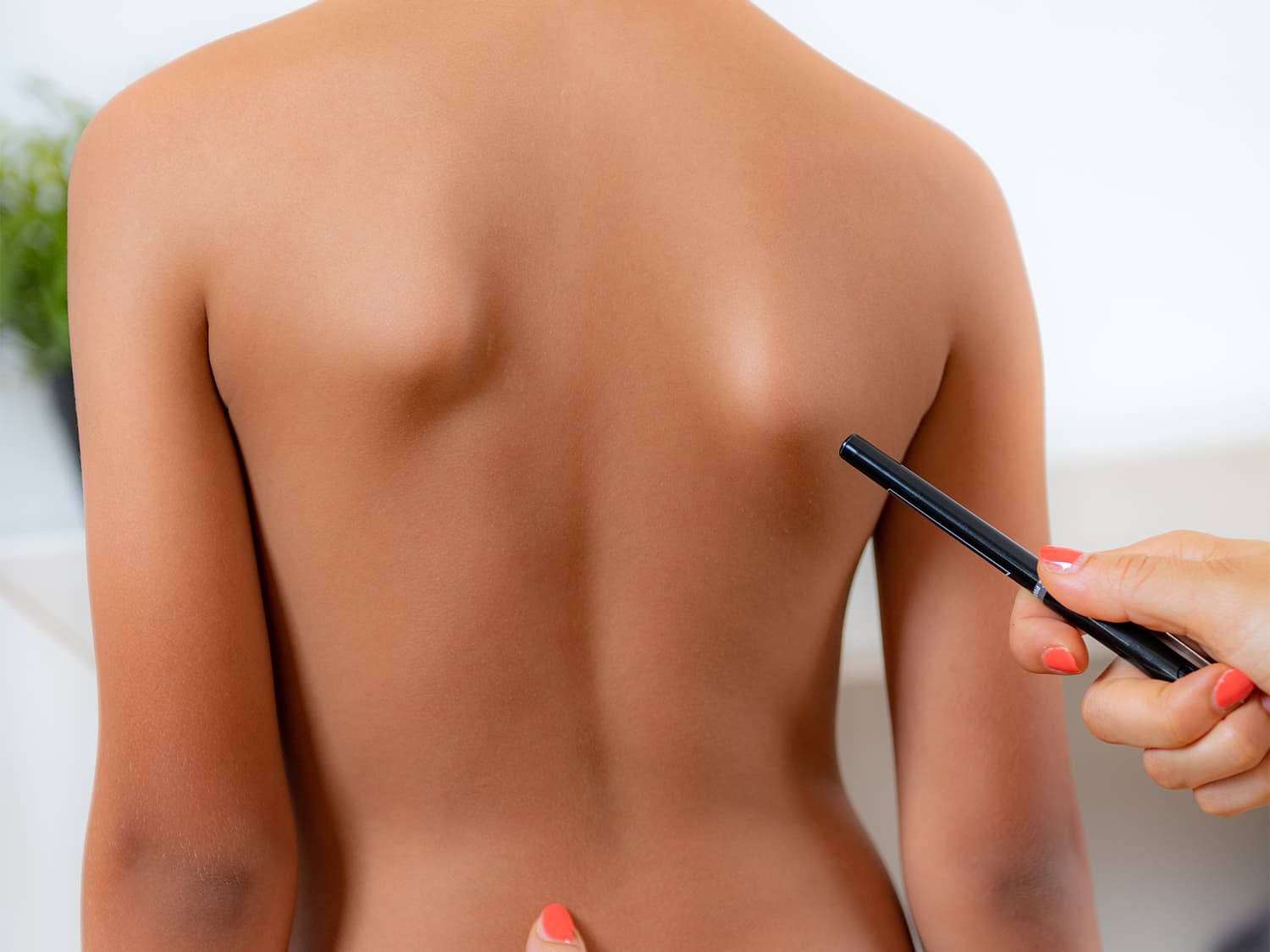
About Scoliosis
Scoliosis is a sideways spinal curve. The right next step depends on age, growth remaining, curve size and symptoms. A child with uneven shoulders and an adult with persistent back pain need different assessments, not an automatic course of adjustments.
AAOS explains that chiropractic care may help associated back pain but has not been shown to reduce the curve or prevent progression. Symptom care must not replace appropriate spine-specialist monitoring, prescribed bracing or surgical advice.
Adult scoliosis: symptoms and care choices
Not every adult with scoliosis needs treatment. NHS guidance notes that care often focuses on pain and everyday activity; exercise may help symptoms without changing the curve. Check with a healthcare professional before starting a new exercise program.
A worsening curve, severe pain despite other care, or nerve symptoms may need specialist assessment. Do not assume every new symptom comes from scoliosis. If manual therapy is considered, discuss expected benefit and individual risks first. NCCIH reports temporary soreness and stiffness, and rare serious complications; an adjustment is not risk-free.
Growing children: monitoring and bracing
NIAMS describes observation, bracing and sometimes surgery according to the child's curve and growth. A brace may help limit worsening while a child is still growing; it is not interchangeable with adult pain care or general posture exercises. A pediatric or spine specialist should guide that decision and follow-up.
Ask your child's clinician about visible asymmetry, back pain or a changing curve. Screening children without symptoms is a separate question: USPSTF finds insufficient evidence to recommend for or against routine screening at ages 10–18, while SRS and partner societies support early detection by trained providers. Neither position establishes this clinic's screening policy.
Preparing for a scoliosis visit in Tampa
Bring prior imaging reports, any specialist or brace plan, a medication list and a short description of activities limited by symptoms. Ask what the assessment can establish and whether another clinician should evaluate the curve before treatment. The existing first-visit link explains the clinic visit; it does not promise a particular test or treatment.
- What is the goal: comfort and activity, curve monitoring, or both?
- Would new imaging change the plan, and can prior images be used?
- What are the alternatives, costs and reasons to reassess or refer?
Sources and further reading
- AAOS: Nonsurgical treatment options for scoliosis
- NIAMS: Scoliosis in children and teens
- NIAMS: Scoliosis diagnosis and treatment
- NHS: Scoliosis treatment in adults
- USPSTF: Adolescent idiopathic scoliosis screening
- SRS: Quality and safety library, 2015 screening statement
- NCCIH: Spinal manipulation evidence and safety
- NHS: Scoliosis overview and causes