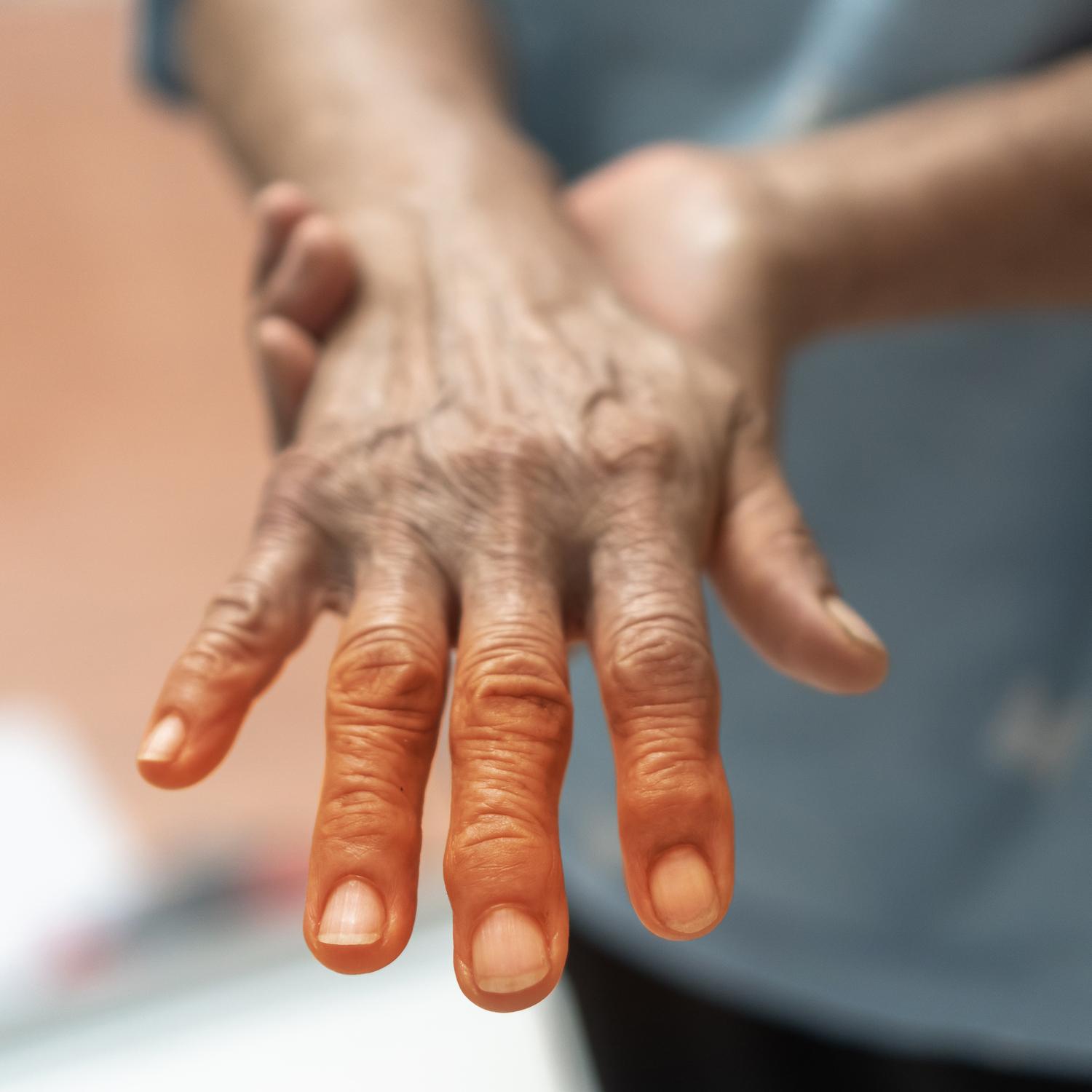
About Neuropathy
Looking for neuropathy care in Tampa? Peripheral neuropathy means damage or dysfunction affecting nerves outside the brain and spinal cord. Burning feet, tingling hands, reduced sensation, or balance changes can have different causes; symptoms alone do not tell you which treatment is appropriate.
Diabetes, vitamin deficiencies, some medicines such as chemotherapy, and pressure on a nerve are among the possible causes. Primary care or neurology assessment may be needed. Limitless Life Chiropractic can discuss whether a musculoskeletal problem is contributing, but chiropractic care does not replace medical management of an underlying disease.
When numbness or weakness needs urgent care
Call 911 or go to an emergency department for numbness with sudden weakness, trouble speaking, a vision change, inability to move a limb, or new loss of bladder or bowel control. Numbness after a head, neck, or back injury also needs urgent medical evaluation. Do not wait for a chiropractic appointment.
Persistent unexplained numbness, worsening balance, or spreading symptoms should be assessed medically. If you have diabetes and find a foot wound, contact your medical clinician promptly even if the wound does not hurt.
What a neuropathy evaluation may involve
A medical evaluation starts with your symptom history and an examination of sensation, strength, and reflexes. Depending on the findings, a clinician may arrange blood tests for causes such as diabetes or vitamin B12 deficiency, or refer you to a neurologist for nerve conduction studies and electromyography (EMG). Not everyone needs the same tests.
These are examples of a medical workup, not a list of tests included in our New Patient Exam. The exam's MyoVision surface EMG scan records muscle activity through skin sensors; it is not a nerve-conduction study or needle EMG and does not diagnose peripheral neuropathy on its own. Ask where a recommended test is performed and what it is intended to answer. Bring previous results if you have them.
- Write down when symptoms started, where they occur, and whether one or both sides are affected.
- Bring a medication and supplement list, relevant diagnoses, and any previous nerve-test or imaging reports.
- Describe practical difficulties such as walking, balance, sleep, or handling small objects.
Where chiropractic care may fit — and where it does not
A localized nerve compression and a widespread neuropathy are different problems. A clinician should identify the likely cause before recommending care. A chiropractic assessment is limited to musculoskeletal questions and does not replace a medical neuropathy workup.
An adjustment is not a cure for peripheral neuropathy. We do not promise nerve regeneration, restored sensation, or a fixed recovery timeline. Do not stop or change prescribed medicine or diabetes care without speaking with the clinician managing it.
- What is the suspected cause, and does it need medical testing or specialist assessment?
- Which problem would the proposed care address, and which problems would it not address?
- What are the alternatives, costs, and review point if symptoms do not improve?
Protecting numb feet while you seek care
Reduced feeling can hide a foot injury. For people with diabetes, NIDDK recommends daily foot checks and prompt medical attention for foot problems. Ask your medical team about footwear, foot care, and exercises suited to your balance and sensation. Do not take large vitamin or supplement doses without medical advice.
These resources explain general options. They cannot diagnose the cause of your symptoms or replace an individual medical assessment.